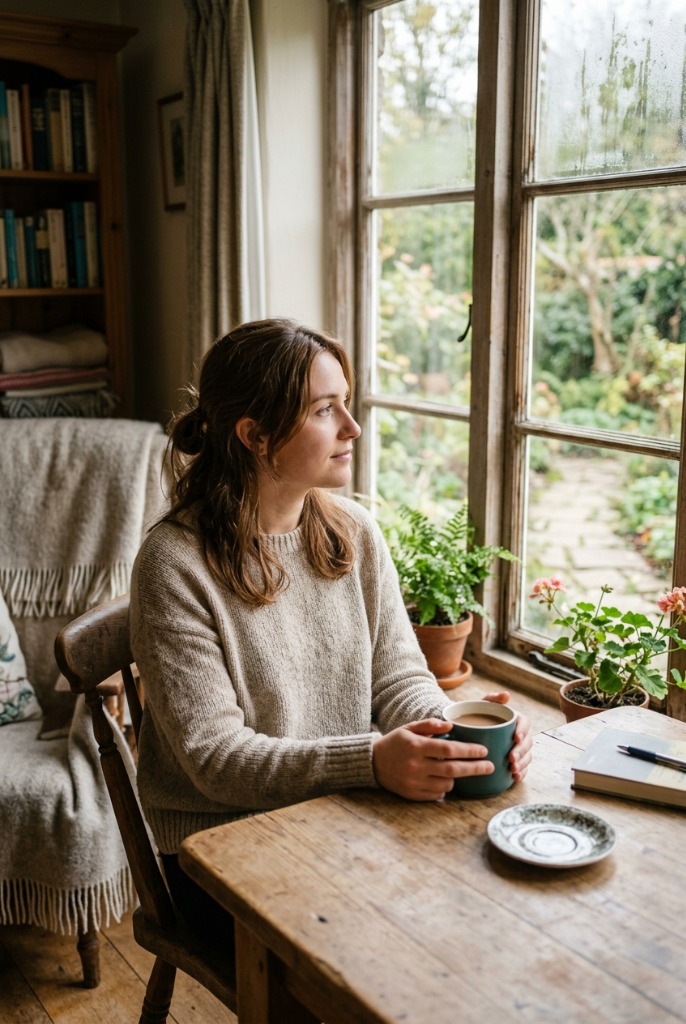
Slow living has a way of showing up on Pinterest as a countryside cottage, a linen apron, and a life with seemingly nowhere urgent to be. It's beautiful to look at — and it's also easy to assume it isn't available to you unless you're willing to move somewhere quieter or restructure your entire life.
Here's the part that gets left out of the aesthetic: slow living was never really about where you live. It's about how you move through your days — with more presence and fewer unnecessary rushes, even inside a full, ordinary schedule.
You don't need a cottage, a career change, or a completely open calendar to create a softer life. You need a handful of small shifts in how you approach the time you already have.
What Slow Living Actually Means
Slow living doesn't mean doing everything slowly, and it doesn't mean doing less overall. It means removing unnecessary urgency from things that don't actually require it.
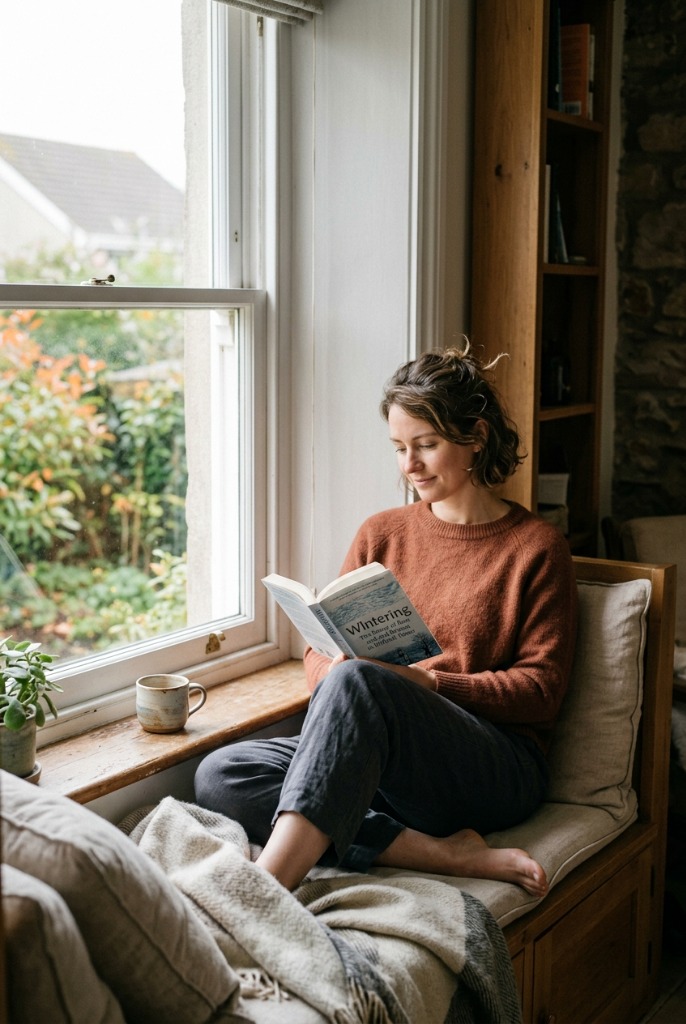
A few things slow living is not:
- Having endless free time
- Living somewhere rural or minimalist
- Being unproductive or unambitious
- Doing every single task at a leisurely pace
A few things slow living is:
- Being present for one thing at a time, rather than constantly multitasking
- Choosing intention over autopilot in ordinary moments
- Making space for rest without needing to earn it first
- Slowing down the moments that matter, even if the rest of the day stays busy
Why Life Can Feel Rushed Even When You're Not "Busy"
Many women feel rushed not because their schedule is objectively packed, but because of how they move through it — quickly, distractedly, always halfway to the next thing.
A few common contributors:
- Constant background stimulation (notifications, multitasking, noise)
- Treating rest as something to earn only after everything else is done
- Rushing through small moments — meals, mornings, commutes — out of habit, not necessity
Common mistake: assuming slow living requires removing things from your schedule, when often it simply requires changing your pace and attention within the schedule you already have.
How to Create a Slower Life, Without Overhauling Everything
Slow living is built through small, repeatable shifts — not one dramatic lifestyle change.
1. Choose One Rushed Moment to Slow Down
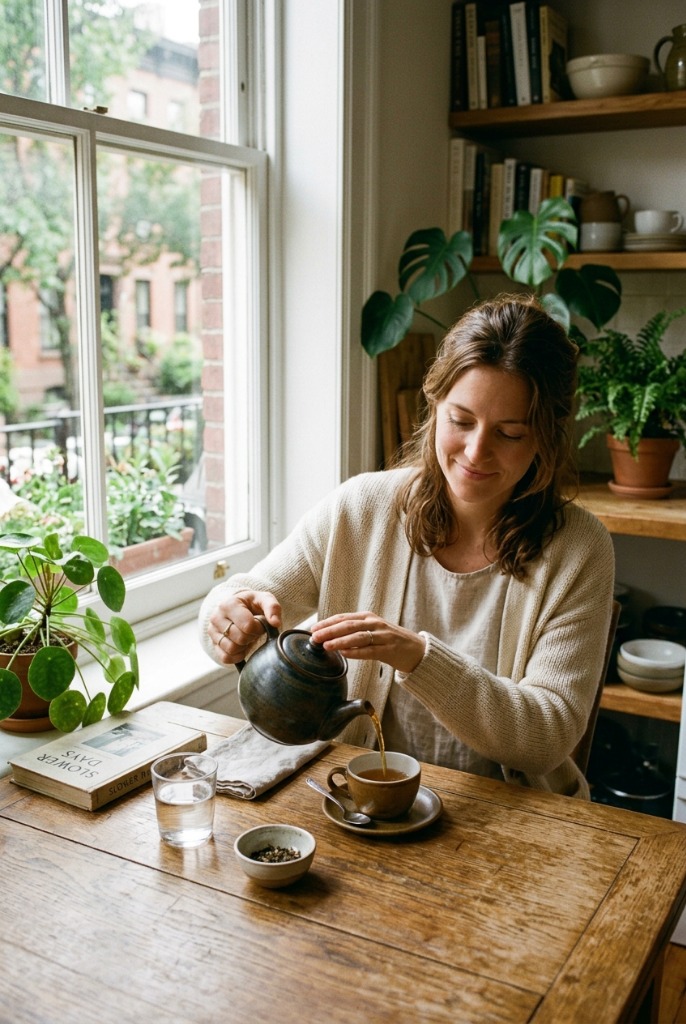
Rather than trying to slow your entire day, pick one moment you typically rush through and give it your full attention instead.
- Your morning coffee, instead of drinking it while scrolling
- Getting dressed, instead of doing it while thinking about your to-do list
- Your commute, using it as quiet time instead of filling it with noise
This single shift is often enough to change the emotional tone of an otherwise ordinary day.
2. Do One Thing at a Time, On Purpose
Multitasking often makes us feel like we're saving time, when in reality it usually just makes everything feel more scattered and less satisfying.
Try, when possible:
- Eating without also scrolling or working
- Listening to someone without simultaneously doing something else
- Finishing one task before opening a new tab or starting another
You won't be able to do this for everything, and that's fine. Even a few single-tasked moments a day can shift how rushed life feels overall.
3. Build Small Buffers Between Tasks
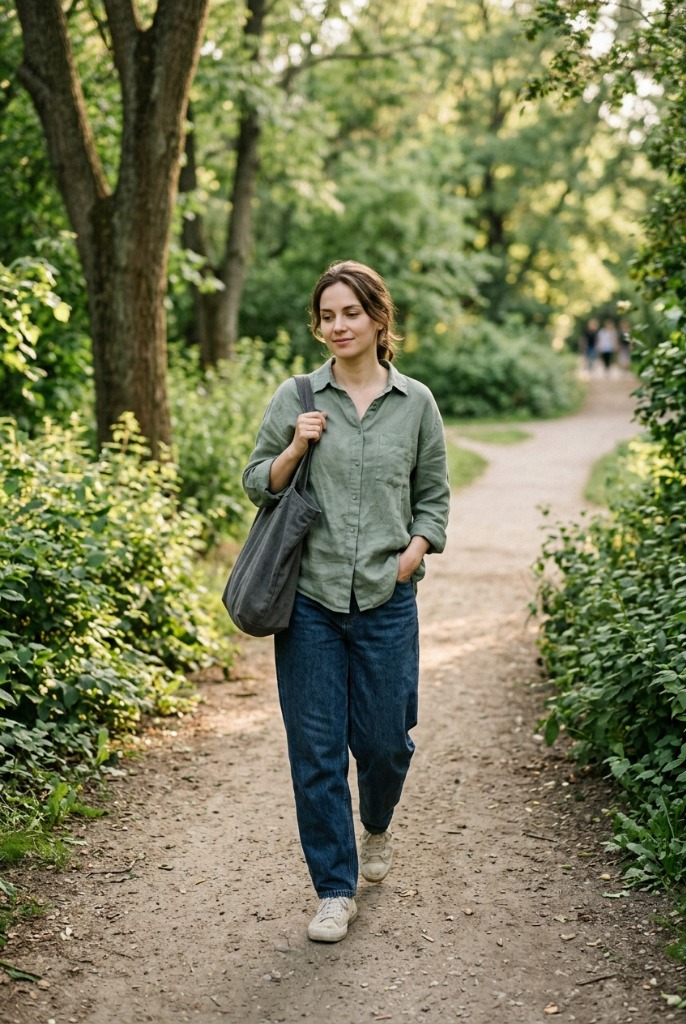
Moving directly from one task to the next, all day, is one of the biggest contributors to feeling rushed — even if each task itself is manageable.
Try adding a two-to-five-minute buffer between commitments:
- A short walk between meetings
- A few slow breaths before starting the next task
- Leaving five minutes earlier so you're not rushing to arrive
These small gaps aren't wasted time. They're what prevent the day from feeling like one long, blurred rush.
4. Simplify One Recurring Task
Slow living often benefits from removing unnecessary complexity, not just adding calm rituals on top of an already full plate.
Look for one recurring task that feels more complicated than it needs to be, and simplify it:
- A simpler, repeatable dinner rotation instead of deciding from scratch nightly
- A shorter morning routine instead of an elaborate one
- Fewer, more intentional commitments instead of saying yes to everything
5. Protect Unstructured Time
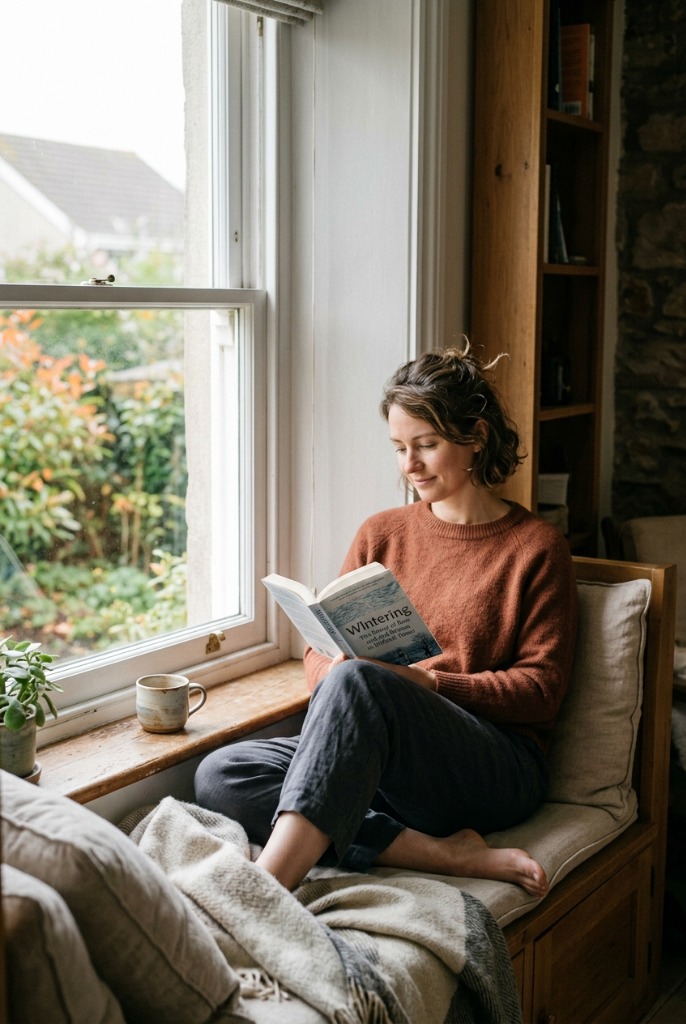
Slow living needs some space with nothing scheduled in it — even fifteen or twenty minutes. Unstructured time isn't the same as wasted time; it's often where genuine rest and creativity happen.
If your calendar is completely full, start by protecting one small block a week, and treat it as seriously as any other commitment.
What to Do When Life Doesn't Allow for Slowness
Some seasons — a demanding work period, a family emergency, a genuinely full stretch of life — simply don't allow for much slowing down. That's real, and it's not a failure of your slow living practice.
On those days or weeks:
- Choose just one small slow moment, even 60 seconds, rather than none
- Remind yourself that slow living is a practice you return to, not a state you either have or don't
- Let go of any pressure to make the season itself feel slow — instead, look for small pockets within it
A Simple Starting Rhythm
A gentle way to begin, without overwhelm:
- Week 1: Choose one rushed moment to slow down intentionally
- Week 2: Add one small buffer between two tasks in your day
- Week 3: Simplify one recurring task that feels more complicated than necessary
- Week 4: Protect one small block of unstructured time
By the end of a month, slow living won't feel like a separate project — it will simply be part of how your days already move.
A little reminder from TheSelfistry
A slower, softer life isn't about doing less — it's about being more present for what you're already doing. You don't need a quieter town, a lighter schedule, or a completely different life to begin.
You need a few small moments, chosen on purpose, where you let yourself stop rushing — even briefly. That's enough to start.
A Final Thought
Creating a slower, softer life doesn't require moving away, quitting your job, or emptying your calendar. It requires small, intentional shifts — slowing down a few rushed moments, doing one thing at a time, and protecting small pockets of unstructured space within the life you already have.
You don't need to escape your schedule to live more slowly. You just need to move through it a little differently.
Frequently Asked Questions
No. Slow living is more about presence and pace than location. It can be practiced in a busy city or a full schedule, just as meaningfully as in a quiet countryside setting.
No. Slow living is about intention and presence, not necessarily doing less overall. Many people find they get things done just as effectively, but with less rush and more attention.
Start with one small moment — a coffee, a commute, getting dressed — and give it your full attention. Small shifts within a full schedule can still meaningfully change how rushed life feels.
That's normal. Aim for even brief moments of slowness rather than none, and remember that slow living is a practice to return to, not something you either fully have or completely lose.
No. Some of the most effective slow living habits — single-tasking, small buffers between tasks, protecting unstructured time — cost nothing and require no special products.
You might also enjoy reading
- The Ultimate Self-Care Routine for Busy Women
- How to Practice Mindfulness When Your Mind Won't Slow Down
- How to Build a Healthier Lifestyle Without Changing Everything
- Gentle Productivity: How to Get Things Done Without Burning Out
- You Don't Need to Have Your Life Figured Out Yet